Welded Metal Assemblies: What OEMs Should Look for in a Fabrication Partner
Industrial equipment, transportation, HVAC systems, furniture, and many other manufactured products utilize welded metal assemblies. These assemblies may combine sheet metal, tubing, brackets, machined parts, and hardware into one finished component.
For OEMs, the right supplier must deliver more than strong welds. The completed assembly also needs to fit correctly, meet dimensional requirements, and remain consistent across every production run.
Complete Fabrication Capabilities
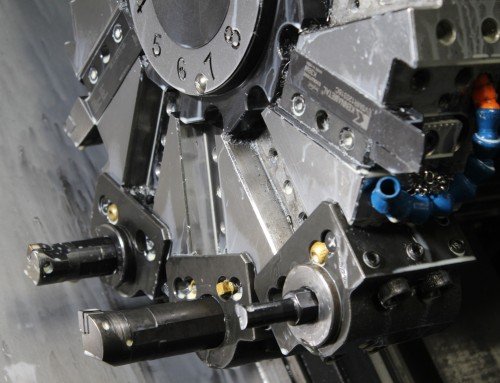
The quality of a welded assembly starts before welding begins. Each component must be cut, formed, stamped, or machined accurately.
Working with one supplier for fabrication, welding, and assembly can reduce handoffs, improve communication, and simplify purchasing.
The Right Welding Process
Different projects require different welding methods.
MIG welding is commonly used for frames, brackets, and production assemblies.
TIG welding offers greater control for thinner materials, stainless steel, aluminum, and appearance-sensitive parts.
Spot welding is often used for overlapping sheet metal components.
A capable supplier should know which process best fits the material, design, and production volume.
Fixturing and Quality Control
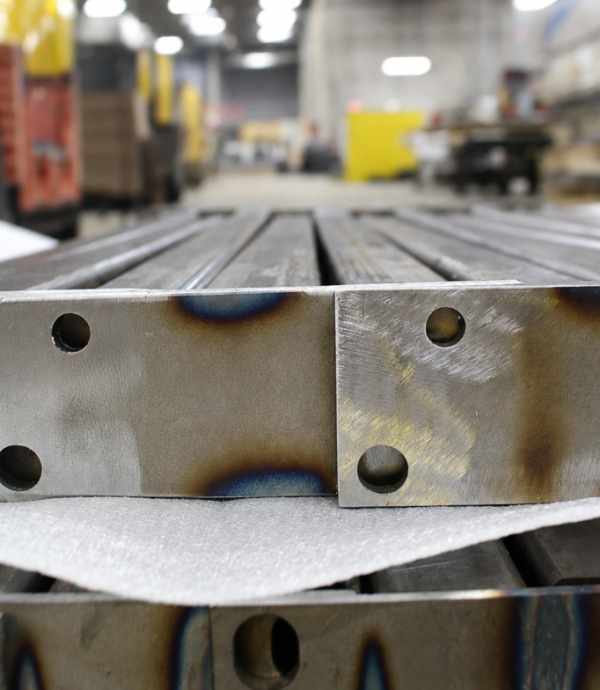
Fixtures, clamps, and locating stops help keep components aligned during welding. Proper fixturing improves repeatability and reduces rework.
Finished assemblies need inspection for dimensions, hole locations, squareness, weld placement, and overall fit.
Welded Metal Assemblies From Dunkirk Metal Products
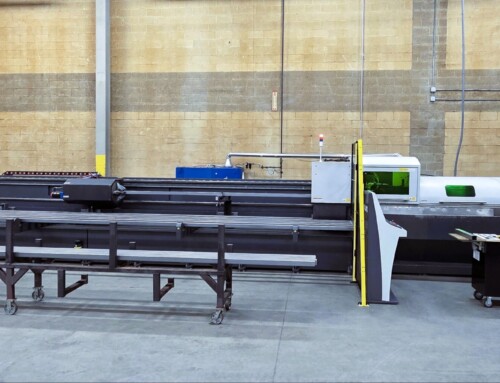
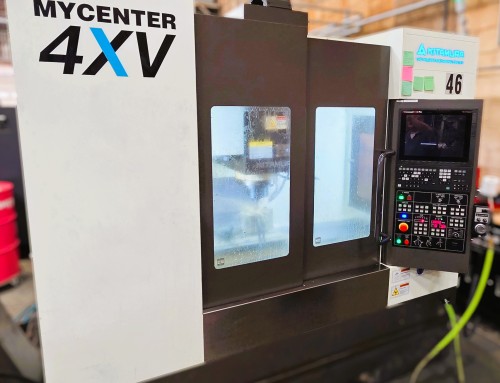
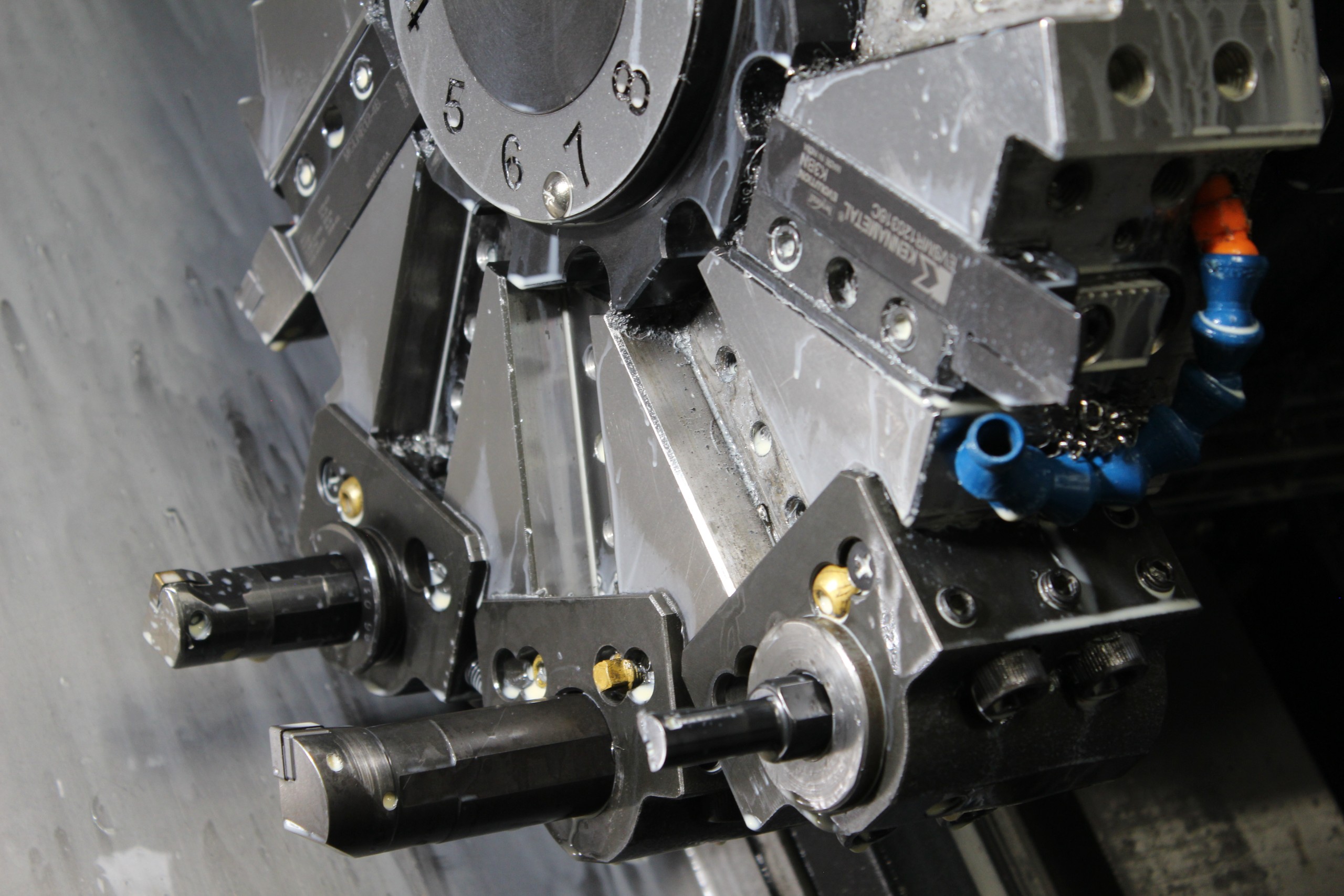
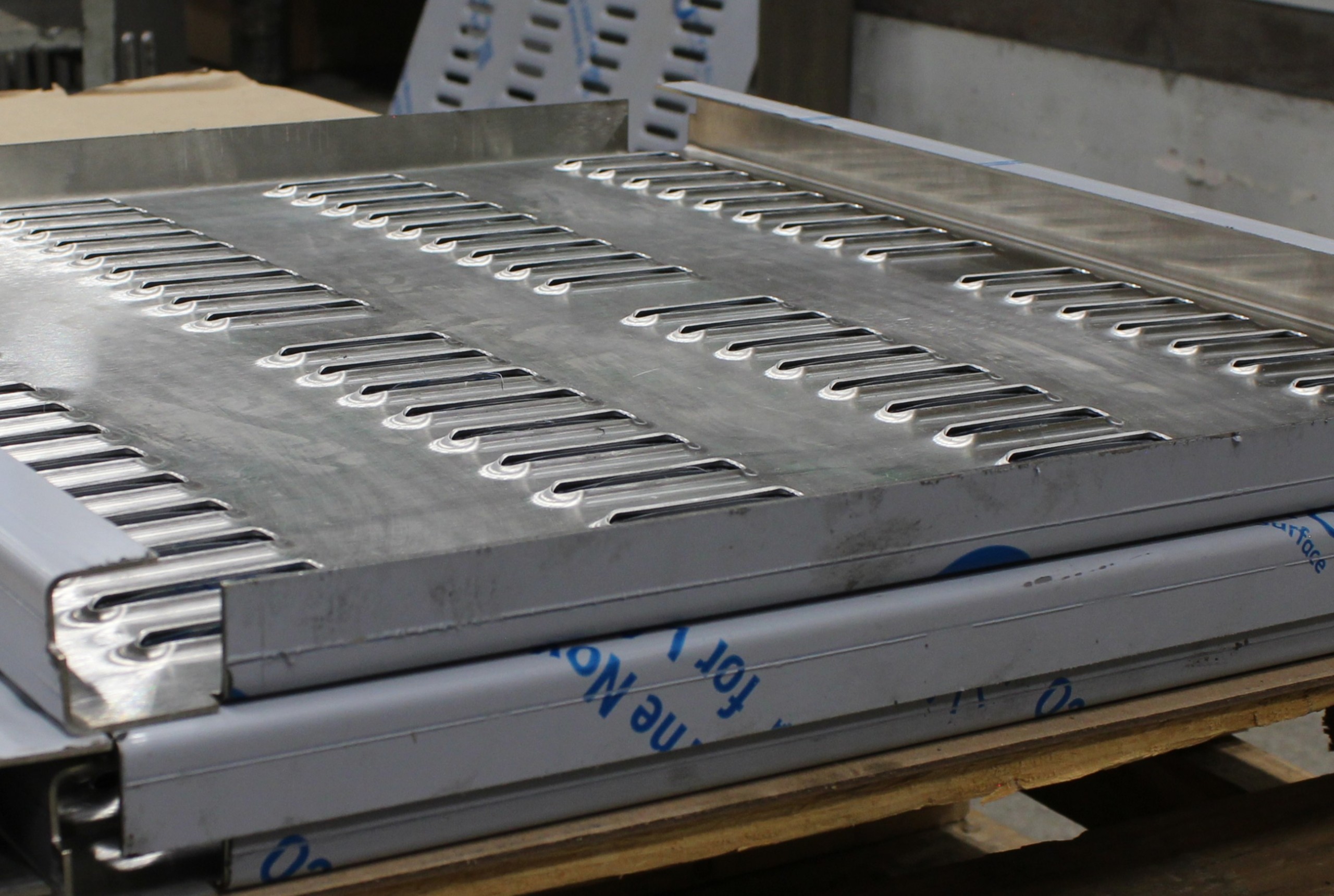
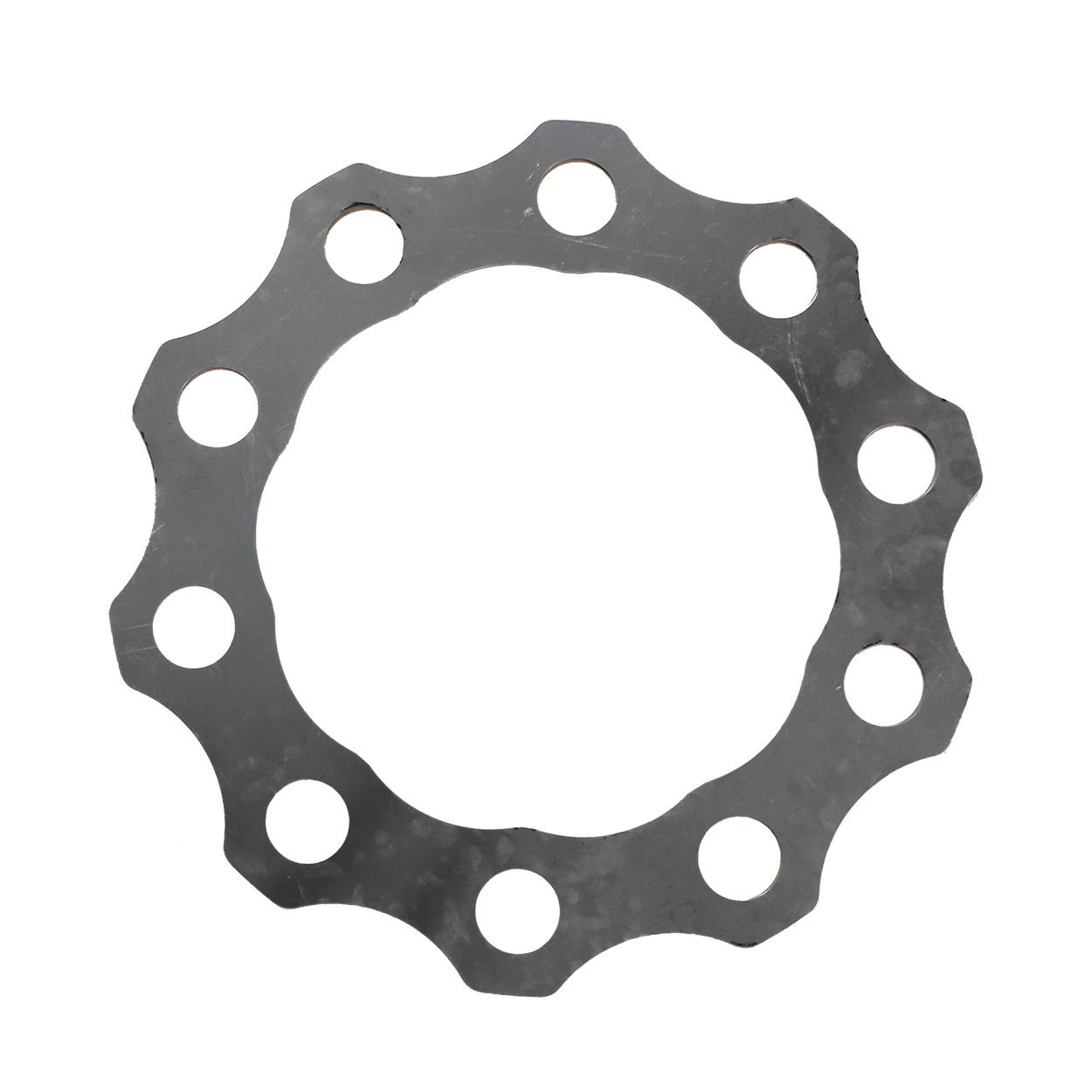
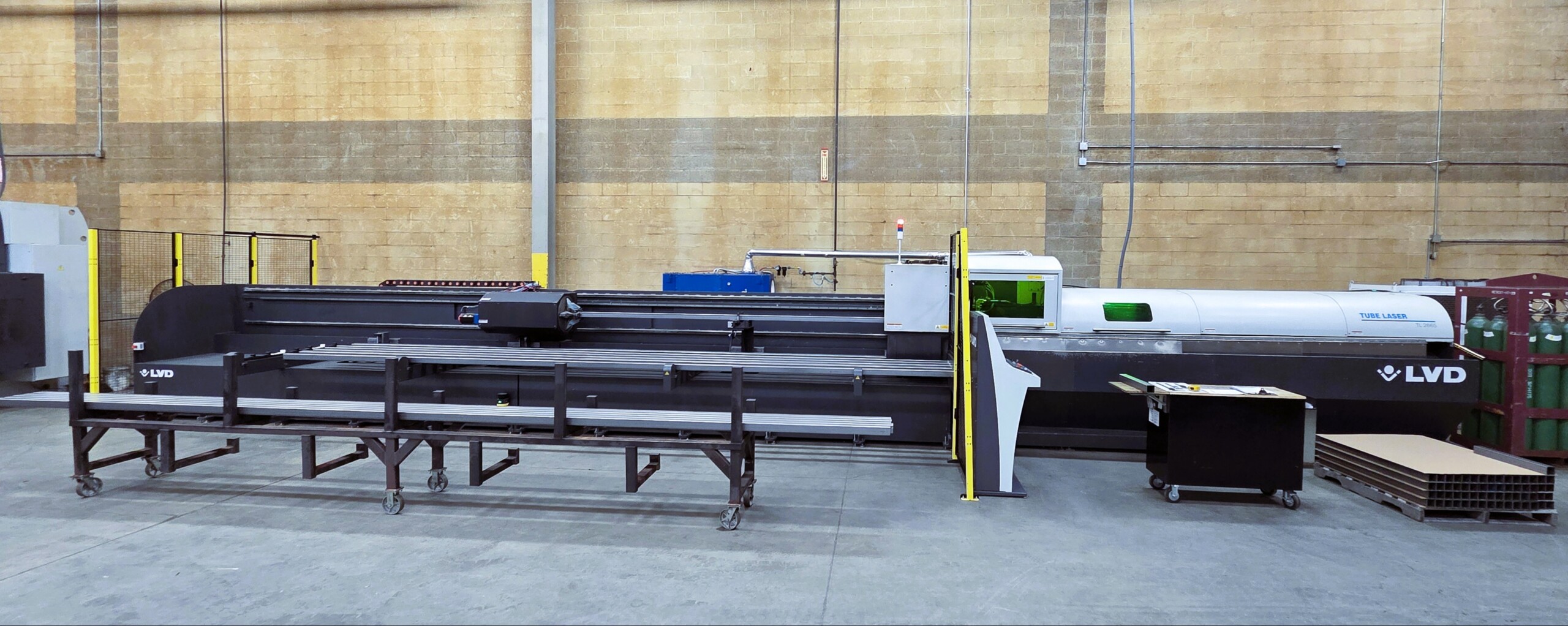
Dunkirk Metal Products provides MIG, TIG, and spot welding along with sheet metal fabrication, tube laser cutting, stamping, CNC machining, and custom assembly.
Whether you need a prototype, short production run, or ongoing production support, contact Dunkirk Metal Products to request a quote for your welded metal assemblies.

Leave A Comment