A drawing shows how a metal assembly is intended to fit and function. A prototype gives your team a chance to put that design to the test. Before committing to a production run, an early version can reveal questions about fit, access, and assembly that may be difficult to answer from a drawing alone.
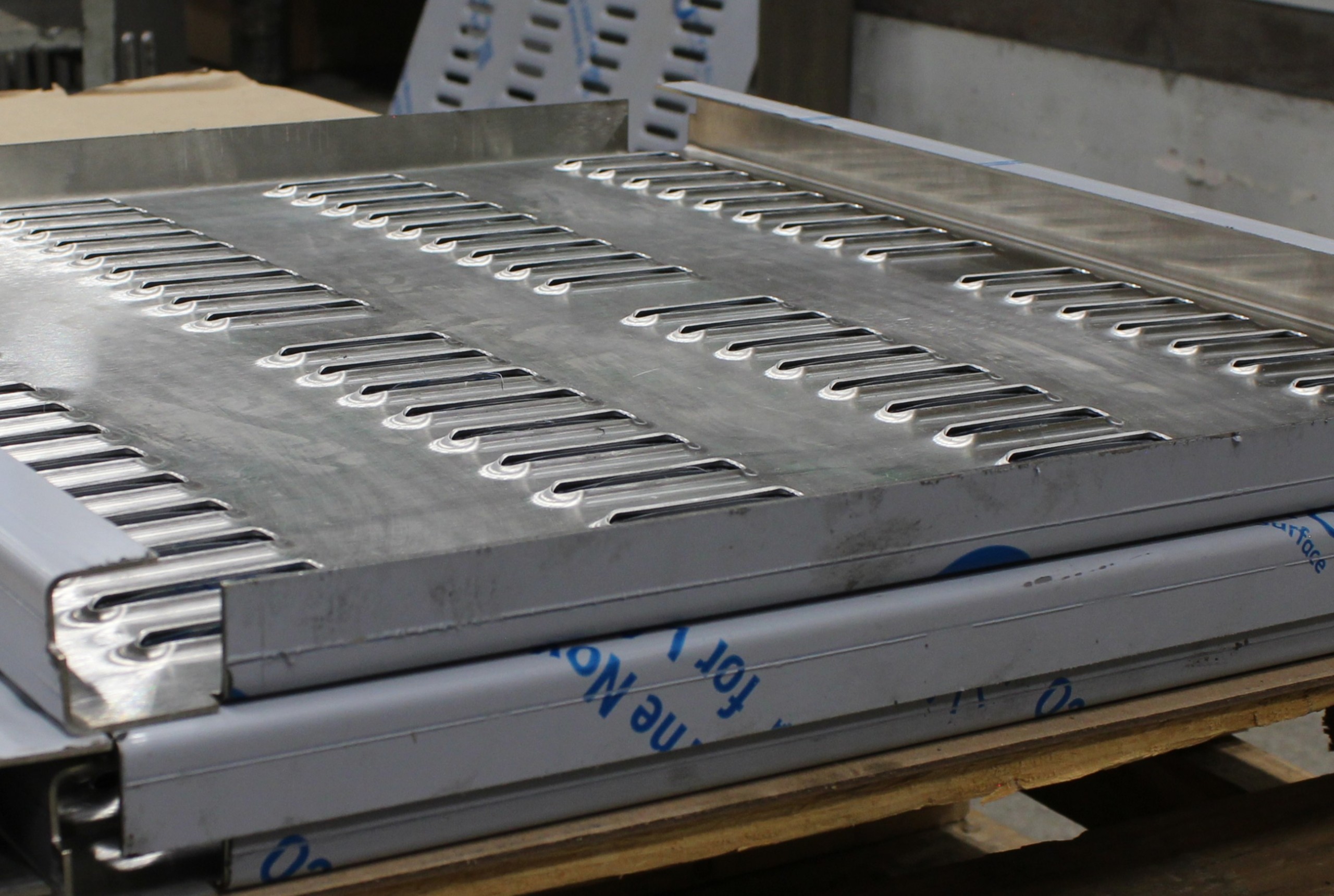
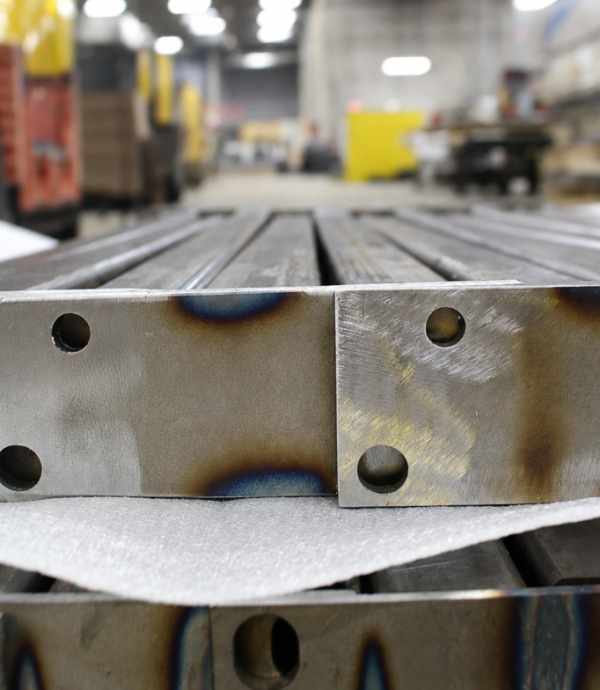
Prototyping is especially useful when a project brings several components together. Formed, machined, and welded parts may each meet their individual specifications but still create challenges during assembly. A prototype can help confirm that the pieces align, that fasteners and tools have enough clearance, and that the planned assembly sequence works in practice.
It can also show how the finished assembly fits into its larger environment. Mounting points may need adjustment, a bracket may interfere with a neighboring component, or an area that will require maintenance may be hard to access. Discovering these issues early gives your team room to refine the design before ordering a larger quantity.
A prototype can help answer manufacturing questions as well. If a feature takes more time to make than expected, there may be a simpler way to achieve the same result. Testing a small quantity lets your team review both the assembly’s performance and the steps required to produce it.
Not every project needs a fully finished prototype. The right approach depends on what you need to learn. In some cases, a basic sample is enough to check fit and dimensions. In others, the prototype needs to represent the final materials and processes more closely so it can be tested in use.
The purpose is to make decisions with better information. At Dunkirk Metal Products, we can review your drawings and discuss what questions a prototype should help answer. Send us your metal assembly project to start the conversation.

Leave A Comment